


In early childhood, learning goes far beyond the classroom walls or paper-based tasks. The foundations for focus, coordination, and self-control are often laid through simple, play-based activities that engage both the mind and body. Physical play is not just for fun — it is a vital component in developing balance, coordination and focus in young children.
Why Balance and Coordination Matter in Early Childhood
Balance and coordination are core motor skills that enable children to move confidently and safely through their environment. These skills are linked to several key areas of development:
- Body Awareness: Understanding where their body is in space helps children control movement and posture.
- Motor Planning: Learning how to start, continue, and stop a movement supports independence and self-regulation.
- Focus and Attention: Balancing requires concentration, which strengthens a child’s ability to pay attention for longer periods.
Activities that require balance or coordination engage the brain’s sensory and motor systems, which in turn help strengthen neural connections responsible for concentration.
In simple terms, when a child learns to control their body, they are also learning to control their mind.
A Simple Example: The Bean Bag Balancing Activity
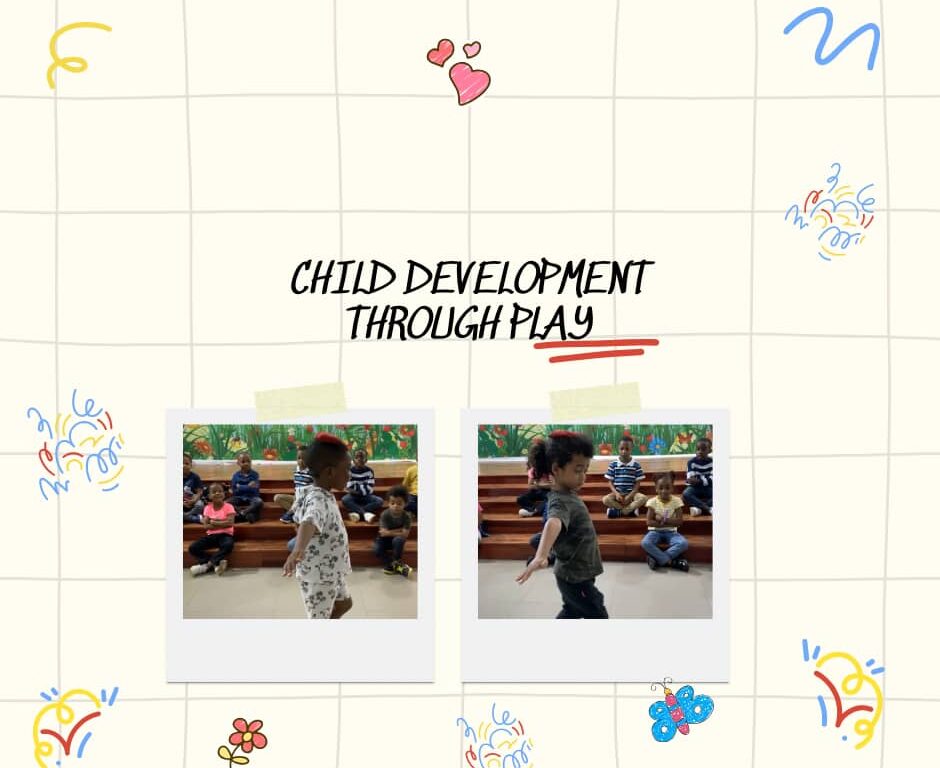
Recently, our Educare (nursery) pupils had a balancing challenge designed to develop both coordination and attention. Each child walked carefully along a straight line while balancing a bean bag on their head.
To keep the bean bag steady, they had to:
- Control their body movements,
- Focus their eyes on the path ahead, and
- Maintain steady breathing and pace.
What seemed like a mere fun classroom game was, in fact, a purposeful learning experience. The children were practising self-control, building patience, and improving posture — all while laughing and encouraging one another.
Helping Children Build Focus at Home
Parents can support this growth by encouraging simple, movement-based games at home:
- Balance Challenges: Walking on a line or balancing a small toy on the head.
- Obstacle Courses: Crawling, jumping, and climbing to promote coordination.
- Mindful Movement: Simple poses or breathing games that link body control and focus.
Developing balance and coordination is more than a physical goal; it’s a pathway to better attention, confidence, and readiness for school. Through structured play and movement, young learners build the foundation for lifelong learning.